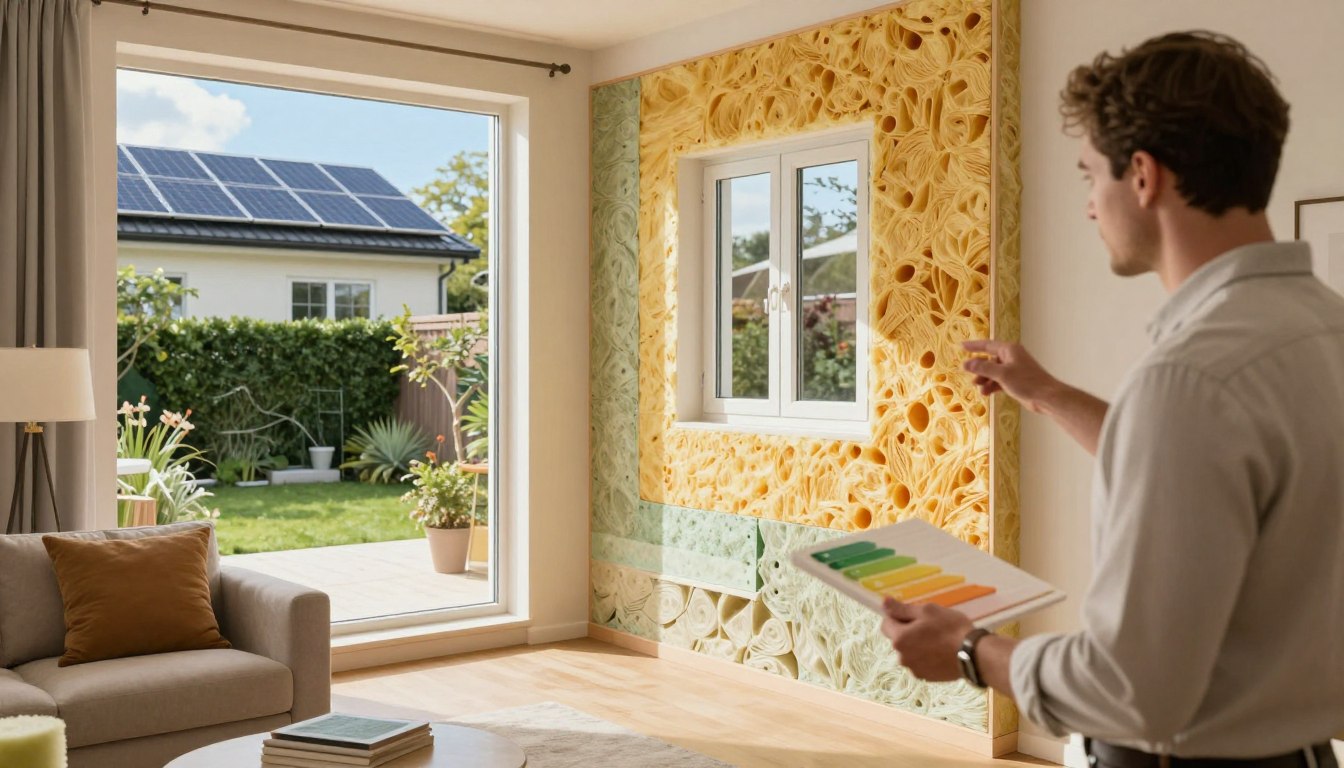
Did you know that nearly 30% of a typical building’s warmth escapes through the roof and walls? This hidden loss is a major reason why utility bills often skyrocket during extreme weather. Understanding how home insulation can affect energy efficiency is the first step toward reclaiming control over your monthly expenses.
Think of your living space as a thermos. Proper materials act as a thermal barrier, keeping your interior climate stable regardless of the season. By blocking heat transfer, you stop the constant struggle between your furnace and the outdoor elements.
Creating a sustainable environment starts with these foundational upgrades. When you prioritize better thermal protection, you ensure a cozy, quiet, and cost-effective sanctuary for your family. Mastering these concepts makes maintenance simple and rewarding.
Key Takeaways
- Proper thermal barriers significantly reduce monthly utility costs.
- Insulation acts as a shield against both winter cold and summer heat.
- A well-sealed building envelope improves overall indoor comfort levels.
- Strategic upgrades contribute to a more sustainable and eco-friendly lifestyle.
- Understanding these dynamics is essential for modern property maintenance.
Understanding How Home Insulation Can Affect Energy Efficiency
Many homeowners don’t know the science behind keeping their homes warm all year. Home insulation creates a strong thermal barrier. This brings big home insulation benefits that do more than just control temperature. Knowing how it works lets you control your home’s climate better.
The Science of Thermal Resistance
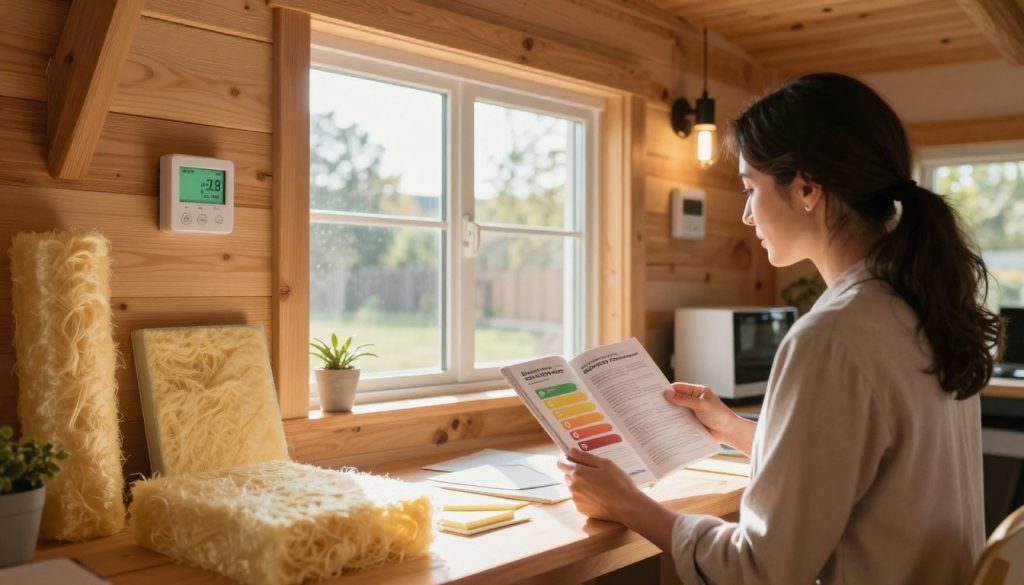
At the core of keeping your home at the right temperature is thermal resistance, or R-value. This number shows how well a material stops heat from moving through your walls, floors, and ceilings. Higher R-values mean better insulation, keeping your home warm in winter and cool in summer.
Think of your home as a thermos. Good insulation stops heat from escaping in cold weather and keeps it out when it’s hot. It works by blocking three ways heat can move:
- Conduction: Heat moving through solid materials.
- Convection: Heat moving through air.
- Radiation: Heat moving through electromagnetic waves.
How Insulation Reduces HVAC Strain
When your home is well-insulated, your heating and cooling systems don’t have to work as hard. This means they use less energy, which lowers your insulation impact on energy costs. Your systems run more efficiently when they don’t have to work as hard.
Having a steady indoor temperature means your HVAC doesn’t have to run full blast all the time. This has many benefits for your home:
- Longer life for your HVAC system.
- Less need for repairs because it’s used less.
- Lower bills every month.
Choosing high-quality insulation is a smart move for your wallet. By focusing on the insulation impact on energy costs, you keep your home cozy and save money. The right installation is key to saving money in the long run.
Practical Tips for Improving Your Home Energy Efficiency
Turning your home into an energy-efficient space is simpler than you think. A few energy-saving tips can make your home more comfy and cut down on utility bills.
Identifying Areas with Poor Insulation
To boost your home’s energy efficiency, start with a simple check-up. Look at your attic, basement, and crawl spaces for thin or damaged insulation.
If you see the floor joists in your attic, your insulation is probably too thin. These spots are big heat losers in winter and gainers in summer.
Choosing the Best Insulation Materials for Your Climate
Picking the right insulation is key for lasting results. The best insulation for saving energy varies by your local climate and building rules.
In cold areas, choose materials with a high R-value to keep warmth in. For warmer places, use reflective barriers to block the sun’s heat.
Sealing Air Leaks to Maximize Insulation Performance
Insulation won’t work if your home leaks air. Sealing air leaks is a top energy-efficient home solution.
Pay attention to gaps around windows, doors, and outlets. Sealing these spots keeps your air conditioned air in, saving your HVAC system’s energy.
Long-Term Benefits of Upgrading Your Attic Insulation
Improving your attic insulation is a smart investment. It makes your whole house warmer.
By doing this, you’ll see a big difference in room temperatures. This change also saves you money on energy and makes your HVAC last longer.
Conclusion
Turning your home into a high-performance one begins with smart upgrades. You now know how to make changes that enhance your daily life. By focusing on insulation, you can keep your home climate stable and save money on energy.
Choosing the right materials is key to maintaining your home. Opting for energy-efficient insulation keeps your home comfortable in any weather. These upgrades not only add value to your home but also reduce your environmental impact.
Start by checking your current setup today. Even small changes can lead to big improvements in performance and savings. Your dedication to a better home environment will keep your family comfortable and your finances secure for years.