Category: Career & Professional Growth

  • Building a Resume for Remote Job Applications to Get Hired

    Building a Resume for Remote Job Applications to Get Hired

    Switching to a remote job is more than just updating your contact info. When you’re creating a resume for virtual job applications, focus on digital skills. Forget about old office metrics.

    Hiring managers today want to see you can work well outside a cubicle. By strategically highlighting your ability to work independently, you boost your chances of getting hired.

    Learning to build a resume for remote job applications makes your profile stand out. We’ll show you how to highlight your tech skills and self-management. This way, you’ll catch the eye of recruiters.

    Key Takeaways

    • Emphasize digital communication skills to prove you can collaborate across time zones.
    • Highlight your history of independent work to build trust with employers.
    • Tailor your professional summary to reflect a results-oriented mindset.
    • Use specific keywords that align with modern virtual workplace requirements.
    • Showcase your proficiency with collaboration tools like Slack, Zoom, or Trello.

    Essential Strategies for Building a Resume for Remote Job Applications

    Learning how to make a great remote job application resume is key to getting your dream job online. Employers look for signs that you can work well without being watched all the time. By making your resume fit the remote job needs, you show you’re ready for the unique challenges of working from anywhere.
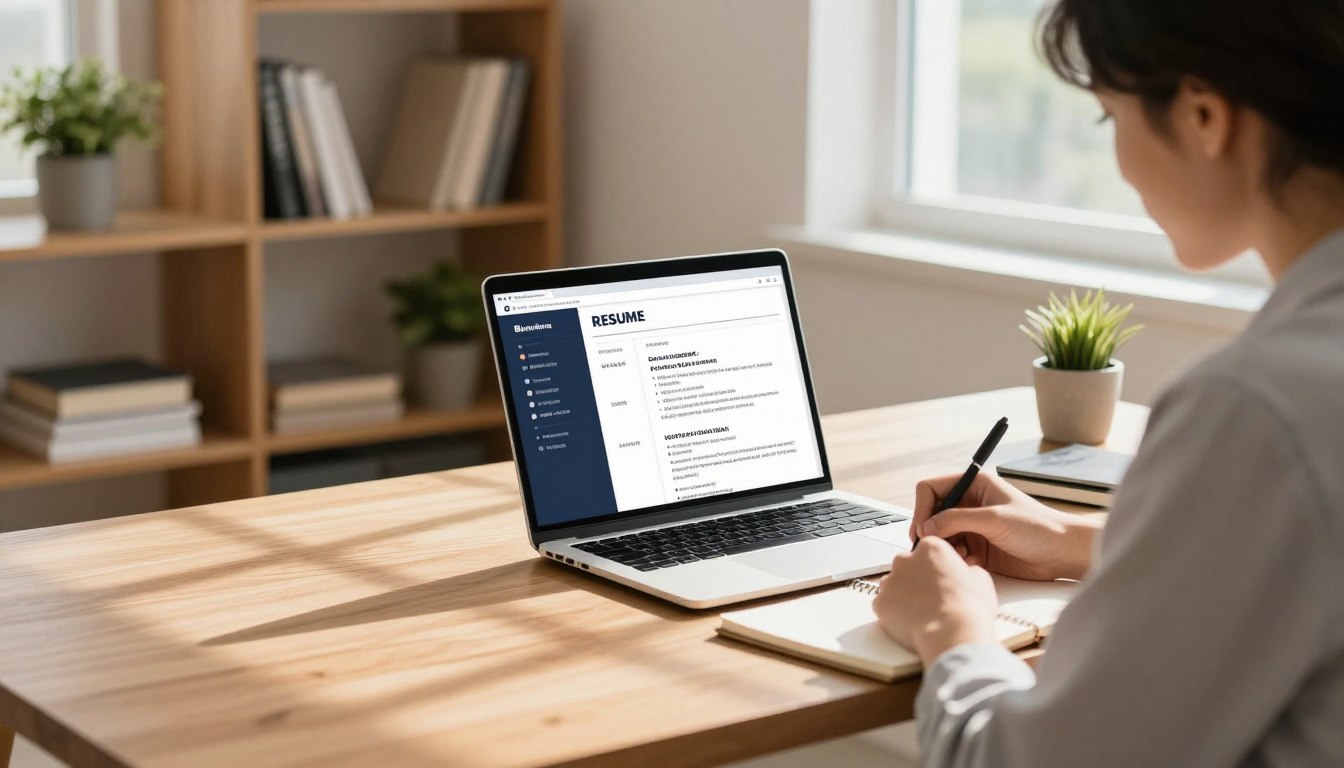
    A well-organized desk setup featuring a stylish laptop open to a digital resume document, highlighting key sections like experience and skills tailored for remote job applications. In the foreground, a neatly arranged notepad with handwritten notes and a professional pen sits beside a small potted plant, adding a touch of nature. The middle ground focuses on a character dressed in smart casual attire, reviewing their resume with a thoughtful expression. The background shows a bright and airy home office space, with soft, natural light streaming in through a window, creating a warm and inviting atmosphere. The image conveys a sense of professionalism, motivation, and readiness for remote work opportunities.

    Highlighting Asynchronous Communication Skills

    Working in a team spread out over different time zones is common. Crafting a remote work resume means showing you can write clearly. Share times when you documented steps or gave detailed updates to keep projects moving without needing to meet in person.

    It’s important to show you can explain complex ideas through emails, project management tools, or wikis. Talk about your experience with tools like Notion or Confluence. This shows you know that effective documentation is key to successful remote teamwork.

    Emphasizing Self-Motivation and Autonomy

    Remote managers want people who take charge of their work. When applying these remote work resume tips, focus on what you’ve achieved, not just how long you worked. Use action verbs to describe how you managed your time to meet deadlines on your own.

    Show that you can work well without someone watching over you. Highlight times when you found a problem and fixed it without waiting for orders. This proactive approach is what remote managers look for.

    Showcasing Proficiency with Remote Collaboration Tools

    Your tech skills are important in your application. When following telecommuting resume tips, list the tools you’ve used to work with teams worldwide. Mention specific software like Slack, Zoom, or Trello, and how well you use it.

    The table below shows how to focus on skills needed for remote work instead of office work:

    Skill Category Traditional Focus Remote-Ready Focus
    Communication Verbal/In-person Asynchronous/Written
    Task Management Manager-led Self-directed/Tools
    Collaboration Meeting-heavy Digital/Cloud-based
    Reliability Office attendance Output/Deadlines

    By using these telework resume best practices, you show you’re ready for the digital workplace. Focus on these areas to make your resume stand out in the competitive remote job market.

    Key Elements to Include in Your Virtual Job Resume

    Starting your journey to a remote job means having a resume that shows you’re great for working from anywhere. Your remote job application resume should clearly show you’re comfortable working outside a traditional office.

    Professional Summary Focused on Telecommuting Success

    Your summary is the first thing a hiring manager sees. Make it count by showing you’re good at managing your time and getting things done without supervision.

    Talk about your experience with remote projects. This shows you’re dependable and know how to work from home.

    Technical Skills Section Tailored for Distributed Teams

    Your remote job application cv should highlight your tech skills. List tools you use to work with teams from different places.

    • Project management platforms like Asana or Trello.
    • Communication tools such as Slack or Microsoft Teams.
    • Cloud-based document sharing systems like Google Workspace.

    Quantifiable Achievements in Remote Environments

    Numbers can tell a powerful story about your work. Use these telecommuting resume tips to show your productivity while working remotely.

    For example, you could say you made your team 20% more efficient with better digital tools. Quantifiable data shows you can work well on your own.

    Certifications Relevant to Digital Workflows

    When making a resume for virtual jobs, include relevant certifications. These show you know how to manage digital workflows and keep things secure.

    Highlight certifications that show you’re good with cloud-based systems. This tells employers you’re ready to start right away.

    Clear Contact Information and Time Zone Availability

    Recruiters need to know how to reach you. Always include your city and time zone to avoid scheduling mix-ups.

    Being open about your availability shows you’re proactive and organized. This makes it easier for teams around the world to work with you.

    Conclusion

    Your journey to a flexible career begins with a resume that speaks to remote teams. By using these tips, you become a top choice for companies like Slack and Zoom. Showing you’re tech-savvy makes you stand out in a busy job market.

    Building a virtual job resume means seeing your career differently. Focus on what you’ve achieved, not where you were. This makes your resume a strong tool for showing your worth to employers.

    Keeping your resume consistent is key. Following best practices keeps it current with new tech. Update it to show your skills with tools like Asana or Notion.

    Creating a remote work resume is a journey that grows with your career. Show off your skills and independence. Your next big step is closer when you share your experience clearly and with purpose.


    FAQ

    How do I start building a resume for remote job applications effectively?

    When starting a resume for remote jobs, focus on digital skills first. Unlike regular jobs, remote work requires showing you can work alone and manage time well. Highlight your experience with team projects online to show you’re ready for virtual work.

    What are the most important telecommuting resume tips for communication?

    For remote jobs, it’s key to show you’re good at asynchronous communication. Use tools like Slack to keep in touch with team members across different time zones. Being able to write clear, concise documents is also a big plus.

    How can I showcase my technical skills on a remote job application cv?

    To stand out, add a section for technical skills for remote teams. List your experience with tools like Asana and Google Workspace. This shows you’re ready to work remotely from the start.

    Should I include my specific location when crafting a remote work resume?

    Even if the job is remote, mention your time zone. This helps recruiters at places like Zapier see how you fit with the team. Include your city and state, but your time zone is more important for scheduling.

    What are the telework resume best practices for highlighting achievements?

    Focus on achievements you’ve made in remote work. Instead of just listing tasks, talk about how you improved team efficiency or met targets alone. For example, you could mention a project in Notion that boosted output by 15%.

    Why is virtual job resume building considered an ongoing process?

    Building a resume for virtual jobs is always changing. As you learn new tools or get certifications, update your resume. This keeps your profile competitive for new remote job opportunities.
  • Project Management Skills for Career Growth Success

    Project Management Skills for Career Growth Success

    Did you know that nearly 70% of high-performing employees attribute their rapid advancement to mastering specific organizational workflows? In today’s fast-paced corporate landscape, staying ahead requires more than just technical expertise. You must cultivate a unique blend of leadership and coordination abilities to remain competitive.

    Developing these professional competencies is no longer optional; it is a vital necessity for anyone aiming to climb the ladder. By refining how you handle complex tasks, you transform into a high-value asset that organizations fight to retain. True success comes when you align your daily output with broader business objectives.

    Mastering these essential traits directly influences your long-term job satisfaction and earning capacity. You will find that when you lead with clarity, your influence within the office expands naturally. Let us explore how you can sharpen these core areas to unlock your full capacity.

    Key Takeaways

    • Understand why organizational expertise is essential for modern advancement.
    • Learn how to position yourself as a high-value asset in your company.
    • Discover the link between leadership abilities and long-term job satisfaction.
    • Identify the core competencies needed to thrive in a competitive environment.
    • Gain actionable insights to effectively climb the corporate ladder.

    Why Mastering Project Management Skills for Career Growth Matters

    You might wonder why Project Management Skills for Career Growth are key today. The work world is changing fast. Now, it’s not just about doing tasks. It’s about how your work helps the whole company.

    A modern office environment bustling with activity, showcasing a diverse group of professionals engaged in project management discussions. In the foreground, a confident woman in a tailored suit stands at a whiteboard, pointing at a colorful project timeline, while a man in business casual attire takes notes. The middle layer features team members collaborating around a table filled with laptops, documents, and coffee cups, highlighting teamwork and communication. The background shows a bright, open office space with large windows allowing natural light to flood in, creating an inspiring atmosphere. The mood is focused and energizing, emphasizing career growth and the importance of mastering project management skills. The scene captures a professional yet approachable ambiance, ideal for illustrating success in project management.

    The Evolving Role of the Modern Project Manager

    Before, project managers just tracked tasks and schedules. Now, they are strategic partners linking business goals to team actions. This change is key for project manager career development.

    Today, leaders want you to make big decisions that match company goals. You must handle uncertainty and use resources wisely. Here’s how expectations have changed:

    Feature Traditional Role Modern Role
    Primary Focus Task Completion Strategic Value
    Decision Making Follows Process Data-Driven Insight
    Communication Status Updates Stakeholder Influence

    How Strategic Planning Impacts Your Professional Trajectory

    Planning strategically shows you’re ready for the top. If you can spot risks and align projects with big goals, leaders notice. This is key for your project manager career development.

    “Leadership is the capacity to translate vision into reality.”

    — Warren Bennis

    Improving your Project Management Skills for Career Growth makes you essential. You go from being part of the team to driving its success. This change means your hard work is valued and seen as key to the company’s growth.

    Essential Project Management Skills to Elevate Your Resume

    To make your resume stand out, focus on the essential project management skills that employers want. Knowing the technical side is important, but it’s how you use these skills that really matters. By mastering these skills, you show you can handle tough challenges in any organization.

    Mastering Effective Communication and Stakeholder Management

    Good communication is key to a project’s success. You need to turn complex data into clear actions for all stakeholders. Active listening and open reporting build trust and keep everyone on the same page.

    Developing Advanced Risk Mitigation and Problem-Solving Abilities

    To improve project management skills, anticipate problems before they happen. Creating backup plans helps keep your project on track and within budget. When issues do come up, solving them calmly keeps your team focused and productive.

    Refining Time Management and Resource Allocation Techniques

    Being efficient is a sign of a top-notch project manager. Learn to use tools that track progress and manage team resources well. This way, you avoid burnout and make sure everyone is working to their best.

    Cultivating Emotional Intelligence for Team Leadership

    True leadership in project management comes from emotional intelligence. Knowing what drives and stresses your team helps create a supportive space. This approach leads to happier teams and better project results.

    Skill Category Primary Focus Key Benefit
    Communication Stakeholder Alignment Reduced Misunderstandings
    Risk Management Proactive Mitigation Increased Project Stability
    Resource Planning Efficiency Optimization Improved Budget Control
    Emotional Intelligence Team Cohesion Higher Team Morale

    Building these skills takes practice and a willingness to learn. As you use these strategies every day, you’ll see your impact grow. Focus on these essential project management skills to keep your career moving forward in a competitive world.

    Taking the Next Step in Your Project Management Career Advancement

    You can reach new heights in your career by learning and networking wisely. Success in your career needs a clear roadmap and a commitment to keep improving. Focus on these areas to succeed in a competitive market.

    Choosing the Right Project Management Certification for Your Goals

    Picking the right project management certification is key for your career. Look at options like the PMP for leaders or the CAPM for beginners. Think about how each fits your industry goals and salary dreams.

    Investing in your credentials shows employers you’re serious. It proves your skills and can open doors to top jobs. Always check the reputation of the certifying body to get the best value.

    Leveraging Project Management Training to Bridge Skill Gaps

    Specialized project management training helps fix your weaknesses. Whether it’s agile methods or budgeting, courses give you the skills you need. This way, you’re ready for big challenges.

    Choose programs with hands-on learning, not just theory. Practical experience helps you remember what you learn. This prepares you for tough management roles.

    Building a Professional Network Within the Project Management Community

    Your network is a treasure for career growth. Peers and mentors offer job tips and insights you can’t find elsewhere. A strong network supports you in tough times and inspires you to grow.

    Here are ways to grow your network:

    • Join PMI chapters to meet others in your field.
    • Join LinkedIn groups for project management talks.
    • Go to conferences to learn and meet mentors.
    • Take part in online workshops to connect with experts worldwide.

    Building these relationships takes time, but it’s worth it. Stay consistent in your networking and always look for ways to help others.

    Conclusion

    Your career path depends on the choices you make today. You now have a clear plan to improve your skills and influence at work.

    Advancing in project management means always learning. Find the skills that match your future goals. Small, steady steps can greatly increase your value at work.

    Groups like the Project Management Institute help you grow. They offer tools to improve your leadership and skills. Staying dedicated to these efforts keeps you competitive.

    Begin using these strategies in your work now. Your journey in project management is ready for your contributions. See challenges as chances to show your skills and grow your influence.

    FAQ

    Why should I focus on project management skills for career growth right now?

    Today, employers like Google and Microsoft want people who can handle pressure. Learning project management skills makes you more than just a worker. It turns you into a leader who can guide big projects to success.

    Which project management certification will provide the most value for my resume?

    The best certification for you depends on your field and goals. For example, the PMP from PMI is well-known and can boost your salary. If you work in agile tech, a Certified ScrumMaster (CSM) is great for working efficiently.

    How can I effectively improve project management skills while working a full-time job?

    Improve your skills by taking on new challenges at work. Use platforms like LinkedIn Learning or Coursera for flexible training. Leading teams or mentoring others also sharpens your skills in real-time.

    What are the most essential project management skills I need to stand out?

    Key skills include strategic planning, risk management, and handling stakeholders. Emotional intelligence is also vital for team management. Employers want leaders who can handle both the project plan and team dynamics well.

    How does project manager career development differ from standard professional growth?

    Project manager growth focuses on moving from task management to strategic planning. Unlike standard growth, it involves managing resources and making executive-level decisions. This prepares you for senior roles.

    What steps can I take to accelerate my project management career advancement?

    To advance quickly, build a strong network in project management. Attend PMI events and join local chapters to meet mentors and find jobs. Training and networking together will keep you ahead in your career.