Category: Banking & Credit Education

  • Secured vs Unsecured Credit Cards Which Is Best for You

    Secured vs Unsecured Credit Cards Which Is Best for You

    Did you know that nearly 30% of Americans have a subprime score? This often limits their access to traditional lending. Understanding Secured vs Unsecured Credit Cards is key to improving your financial standing. It’s the first step toward a stronger future.

    Your financial health decides which path to take for your long-term goals. Whether you’re starting from scratch or rebuilding, the right tool is essential. Learning about secured vs unsecured credit cards helps you manage your application. This guide makes the journey to better financial health easier, so you can make a smart choice today.

    Key Takeaways

    • Your credit history determines which product is most accessible for your needs.
    • Collateral is typically required for one type of account to lower lender risk.
    • Both options can help you build a positive payment history over time.
    • Choosing the right account prevents unnecessary denials during the application process.
    • Financial goals should dictate your choice between these two primary lending tools.

    Understanding the Core Differences in Secured vs Unsecured Credit Cards

    Starting with credit means knowing the main differences between card types. The key difference is how lenders handle risk. A secured credit card is for beginners or those rebuilding credit. An unsecured credit card is for those with good credit histories.
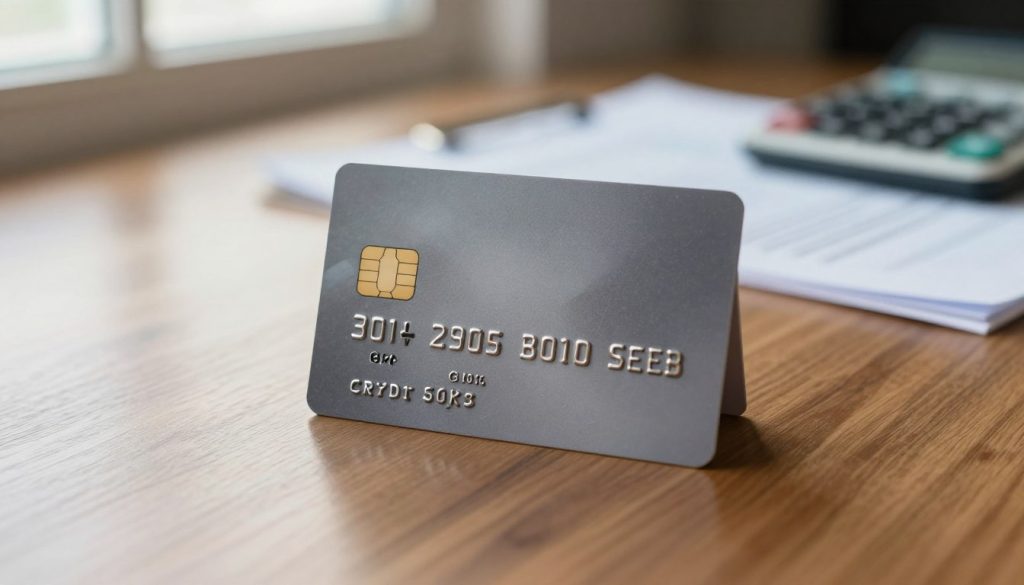
    A close-up view of a secured credit card prominently displayed on a polished wooden desk, reflecting soft natural light from a nearby window. The card should feature a metallic finish, highlighting its security features like a chip and a lock symbol. In the background, slightly blurred, there are documents and a calculator to suggest a financial environment. The atmosphere is professional and inviting, evoking feelings of trust and financial stability. The lighting should create gentle shadows, enhancing the textures of the card and the desk. The camera angle is slightly elevated, capturing both the card's details and the ambient workspace, suggesting a thoughtful consideration of financial choices.

    How Secured Credit Cards Work with Deposits

    A secured credit card needs a cash deposit upfront. This deposit is like collateral for the lender, making their risk lower. Because the money is safe, the bank is okay with giving you credit even if you’re new to credit.

    One big secured credit card benefit is that your credit limit matches your deposit. Paying on time shows you’re responsible. This can help you build good credit over time, leading to better financial options.

    The Role of Credit History in Unsecured Credit Cards

    An unsecured credit card doesn’t need a deposit. Instead, the issuer looks at your credit report and score. They check your payment history, total debt, and credit length to decide if you’re a good borrower.

    The main unsecured credit card advantages are higher limits and rewards like cash back or travel points. But, because these cards aren’t secured, unsecured credit card eligibility is stricter. You usually need a good to excellent credit score to qualify.

    Comparing Approval Odds and Financial Requirements

    When comparing secured vs unsecured credit cards, consider your financial situation. If your credit is thin, getting a secured card is often easier. Lenders focus more on your deposit than past mistakes.

    The table below shows the main differences to help you choose the right card for you:

    Feature Secured Card Unsecured Card
    Security Deposit Required Not Required
    Approval Difficulty Low (Easier) High (Stricter)
    Credit History Not Required Essential
    Primary Goal Building Credit Rewards/Spending

    Key Factors to Consider When Choosing Your Card

    Before getting a new card, think about your money situation and future goals. Choosing between secured vs unsecured credit cards is key for your financial health. By carefully looking at your options, you pick a card that fits your life and helps you build credit.

    Assessing Your Current Credit Score

    Your credit score shows what financial products you can get. If your score is low, getting an unsecured credit card might be hard. Lenders want to see you’ve borrowed wisely before they say yes.

    Check your credit report for mistakes or areas to improve. Knowing your score helps avoid bad marks on your file. If your score is low, look for cards that help fix your credit.

    Evaluating the Need for a Security Deposit

    Secured credit cards need a cash deposit that’s your credit limit. This makes it easier to get approved, even with a thin credit file. Make sure you have the cash for this deposit before applying.

    It’s important to know the secured credit card requirements before you put down your money. Think about these things when checking your budget:

    • Minimum Deposit: See if the amount fits your savings.
    • Refundability: Find out how and when you can get your deposit back.
    • Upgradability: Look for cards that let you move to an unsecured account later.

    Comparing Potencial Rewards and Interest Rates

    When comparing secured vs unsecured credit cards, look at the costs and benefits. Some cards offer cash back or travel points, while others focus on building credit with lower fees. Choose cards that offer value without high annual fees.

    Check the Annual Percentage Rate (APR) of each card. If you carry a balance, a lower interest rate is crucial to avoid high costs. Always read the fine print to understand how interest is calculated on your account.

    Planning for Future Credit Building Goals

    Your choice today is the start of your financial future. Think about where you want your credit score to be in a year or two. If you want better rewards cards or lower mortgage rates, choose a card that reports to all three major credit bureaus.

    Being consistent is the most important factor in building your credit. Making small, on-time payments shows you’re reliable to lenders. This will open doors to better and more rewarding credit products in the future.

    Conclusion

    Your journey to better finances begins with the right choice. Whether it’s a secured credit card from Discover or Capital One, or a traditional one, your actions matter most.

    Consider the benefits of a secured card for fixing your credit. These cards let you build a good payment history safely. If your credit is already strong, look into unsecured cards for rewards and higher limits.

    Check your credit report to see if you qualify for an unsecured card. Lenders want to see you manage your debt well. Your credit score improves with on-time payments and smart spending.

    Choose the best option for your budget today. Using your card wisely is key to achieving your financial goals.

    FAQ

    What is the fundamental difference in a secured vs unsecured credit card comparison?

    The main difference is the security deposit. A secured credit card needs a cash deposit as collateral. On the other hand, an unsecured credit card doesn’t need a deposit. It’s based on your financial reliability and credit history.

    What are the primary secured credit card benefits if I am just starting out?

    Secured credit cards have a high approval rate for those with thin credit or past mistakes. Cards like the Capital One Platinum Secured Credit Card help you report positive payment history. This is key to improving your credit score over time.

    What are the typical unsecured credit card advantages for consumers?

    Unsecured credit cards offer the advantage of not using your cash for a deposit. Cards like the Chase Freedom Flex® have better rewards, such as cash back and travel points. They also have lower interest rates for those with good credit.

    What are the standard unsecured credit card eligibility requirements?

    To get an unsecured credit card, you need a good credit score, income, and debt-to-income ratio. Lenders like American Express or Citi look for a history of on-time payments and responsible debt before approving you.

    How do I find the best secured credit card for my needs?

    Look for a secured card that reports to all three credit bureaus and offers a chance to upgrade to an unsecured card. The Discover it® Secured Credit Card is a good choice. It offers cash-back rewards and Discover reviews your account after seven months to see if you qualify for a deposit refund.

    What are the most common secured credit card requirements I should prepare for?

    Secured cards usually require a minimum deposit (often $200), proof of steady income, and a valid bank account. The credit limit is the same as the deposit amount, unlike unsecured cards.

    Can I transition from a secured card to an unsecured card eventually?

    Yes! Many use a secured credit card as a first step. After showing consistent payments, banks like Bank of America might offer to switch you to an unsecured credit card. They’ll refund your deposit and keep your account history.
  • How Credit Utilization Can Affect Credit Scores Explained

    How Credit Utilization Can Affect Credit Scores Explained

    Did you know nearly 30% of your financial reputation is tied to one number? Many people focus on paying bills on time. But they often ignore the ratio of their revolving debt to their total limits.

    This ratio, known as your balance ratio, is a critical indicator of your financial health. Lenders use it to see if you manage your money well or if you’re too dependent on borrowed funds.

    Understanding this concept is key to mastering your financial future. By keeping your balances low, you show stability and reliability to lenders. This guide will help you understand these metrics. It will give you the tools to improve your financial health starting today.

    Key Takeaways

    • Your debt-to-limit ratio is a major factor in your financial profile.
    • Maintaining low balances relative to your limits boosts your standing.
    • Lenders view high usage as a sign of possible risk.
    • Small changes in your spending habits can lead to big improvements.
    • Empower yourself by regularly checking your revolving accounts.

    Understanding How Credit Utilization Can Affect Credit Scores

    Did you know your daily spending can impact your financial future? The credit utilization impact on credit scores is a key factor you can control. By managing your balances, you’re taking a step towards a stronger financial future.

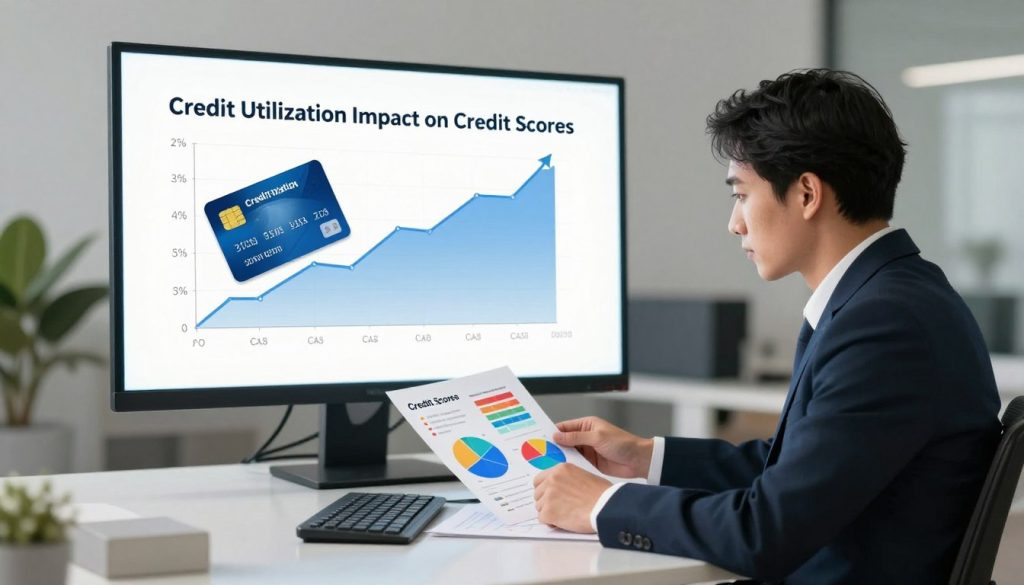
    A visually impactful illustration representing the concept of "Credit Utilization Impact on Credit Scores." In the foreground, a professional sitting at a sleek desk, analyzing colorful graphs and charts depicting fluctuating percentages of credit utilization and credit scores, dressed in a smart business attire. In the middle ground, a large digital display shows a rising credit score alongside a credit card with a visible utilization ratio. The background features a modern office environment with neutral colors, soft lighting to provide a calm atmosphere, and a plant to create a refreshing vibe. The composition captures a sense of seriousness and professionalism, highlighting the importance of understanding credit utilization and its effects.

    Defining the Credit Utilization Ratio

    Your utilization ratio is a simple math problem. It’s your total revolving debt divided by your total available credit limits.

    For instance, if you have $10,000 in credit limits and $3,000 in balances, your ratio is 30%. Knowing the credit utilization ratio and credit score link is key. It shows how much credit you’re using.

    Why Lenders Monitor Your Revolving Debt

    Lenders watch these numbers closely. They see high utilization as a sign of financial distress.

    They want to see you have credit but not use it for everything. This is why credit utilization importance for credit scores is huge. It shows you can handle debt without relying on it too much.

    The Mathematical Impact on Your FICO Score

    In the FICO scoring model, your ratio is very important. It’s a big part of what makes up your credit score, often making up nearly 30% of it.

    Small changes in your balances can make a big difference in your score. Keeping balances low shows lenders you’re a low-risk borrower. This helps keep your credit profile healthy and stable over time.

    Best Practices for Managing Your Credit Utilization

    Controlling your finances begins with smart credit use. By following credit utilization best practices, you can boost your credit score. These habits ensure you use your credit wisely, balancing what you owe with your total limits.

    Aiming for the Recommended 30% Threshold

    Experts advise keeping your revolving debt under 30% of your credit limit. This shows lenders you’re a responsible borrower. A low usage rate makes your profile more appealing to creditors.

    Timing Your Payments Before the Statement Date

    Many wait until the due date to pay their bills. But, the balance reported to credit bureaus is the statement closing date amount. Paying a few days before the statement closes ensures a lower reported balance. This is key for managing credit utilization for better credit scores.

    Requesting Credit Limit Increases Strategically

    Asking for a higher credit limit can improve your ratio. This increases your available credit without spending more. It’s a smart way to lower credit utilization for higher credit scores, as long as you don’t increase spending.

    Avoiding New Debt During Sensitive Financial Periods

    Timing is critical for your credit health. Avoid new accounts when applying for big loans like mortgages or auto loans. New debt can lower your score and increase your utilization rate, affecting your loan approval odds.

    Conclusion

    Keeping your credit healthy takes ongoing effort. It’s all about watching your revolving debt closely. This is key to a strong score with Equifax, Experian, and TransUnion.

    You now know how to handle your accounts better. Using these tips can improve your credit score. This makes you more reliable to lenders in the U.S.

    Planning your payments and managing your balances wisely is essential. This approach helps you achieve your financial goals. Stay disciplined with your spending each month.

    These tips offer clear guidance through the banking system in America. Your proactive steps today will open doors to a brighter financial future.

    FAQ

    Exactly how credit utilization can affect credit scores on a monthly basis?

    Your credit score is closely linked to your credit utilization ratio. This ratio shows how much of your available credit you’re using. High balances on cards from issuers like Chase or Citibank can lower your score. On the other hand, keeping balances low shows you’re managing your debt well.

    What is the most effective way to see a positive credit utilization impact on credit scores?

    To boost your score, keep your total revolving debt low. Experts at Experian and Equifax recommend staying under 30% utilization. Using less than 10% of your available credit is even better, showing top-notch financial management.

    Why is managing credit utilization for better credit scores considered so important by lenders?

    Credit utilization is key because it makes up about 30% of your FICO score. Lenders like Wells Fargo watch it closely. A low ratio shows you’re a safe borrower.

    Are there any specific credit utilization best practices regarding payment timing?

    Yes! Pay your balance in full before your statement closes. This keeps your utilization ratio low. It helps your score go up.

    Can requesting a credit limit increase help my score?

    Yes, it can. Getting a credit limit increase on cards like American Express or Capital One can lower your utilization ratio. This is good for your score because it makes your debt seem smaller.

    Should I avoid opening new accounts to manage my utilization?

    Opening new accounts can be risky. It increases your available credit but also lowers your account age. It’s best to focus on paying down existing balances. This way, you can improve your score without the risks of new applications.